When Was Public Law 119-37 Signed, and What Did It Change?
Public Law 119-37 was signed into law on November 12, 2025. Its Section 781 changes the federal definition of hemp in ways that could substantially narrow which hemp-derived products qualify. The most important shifts are a move from a delta-9-THC-only test to a total-THC standard that includes THCA, and a limit of 0.4 milligrams of total THC per container for certain cannabinoid products intended for people or animals.
For businesses, the key date is not the signing date alone. Section 781 is scheduled to take effect 365 days after enactment—November 12, 2026. The separately discussed December 11 US hemp rule deadline should not be confused with that statutory effective date. Companies should verify what agency action or administrative milestone a December 11 notice refers to before treating it as a new compliance deadline.
One-sentence legal takeaway: Section 781 rewrites the federal hemp definition to count THCA toward total THC and excludes certain cannabinoid products above a per-container threshold, with the changes scheduled to take effect one year after enactment.
When Was Public Law 119-37 Signed?
President Donald Trump signed Public Law 119-37 on November 12, 2025. The law includes Section 781, which amends the definition of “hemp” in federal law. Last month, I was working with a client who learned this lesson the hard way.. That provision is the source of the widely discussed november 2025 hemp law and its potential consequences for hemp-derived products.
Signing a law and putting every provision into effect are not always the same thing. Section 781’s delayed effective date gives the industry a transition period, but it does not guarantee that every product currently sold will remain eligible afterward. Companies should use that time to review formulations, packaging, supply chains, and the documentation supporting their products.
What Does Section 781 Change?
The change is not simply a lower limit on delta-9 THC. Section 781 revises the definition of hemp and affects how THC is counted in specified products. In broad terms, the amendment addresses both the plant or material definition and certain finished cannabinoid products marketed or intended for human or animal use.
1. From delta-9 THC to total THC, including THCA
The familiar federal hemp standard has generally been described as a delta-9 THC concentration of no more than 0.3% on a dry-weight basis. Section 781 adds a total-THC measure for covered material and products, including THCA in the calculation. THCA can convert to delta-9 THC when heated, which is why counting delta-9 alone may produce a different result from counting total THC.
That distinction matters most for products with substantial THCA content. A product may show a low delta-9 result on a certificate of analysis yet have a much higher total-THC result once THCA is included. Businesses should not assume that a delta-9-only result establishes compliance with the amended definition.
Ever notice how it is also important not to conflate two different measurements. A percentage on a dry-weight basis and a milligram amount per container are not interchangeable. A company should identify which statutory test applies to the material or finished product it is evaluating, and retain test reports that show the relevant figures.
2. A 0.4 mg total THC cap per container
Section 781 also excludes certain cannabinoid products intended for human or animal use if they contain more than 0.4 milligrams of combined total THC per container. The provision refers to naturally occurring THC, including THCA. The cap is expressed per container—not as a percentage of the product’s weight—so serving size, package size, and the way a product is packaged may all be relevant to a company’s analysis.
This is a different kind of threshold from the familiar 0.3% dry-weight standard. A product cannot be assessed by looking only at the percentage printed on a lab report or by dividing the total THC across servings. Companies should have qualified counsel review how “container” applies to their particular product and packaging, rather than relying on informal assumptions.
3. Limits on certain cannabinoids and products
The amendment also addresses cannabinoids that are not capable of being naturally produced by the cannabis plant, as well as cannabinoids synthesized or manufactured outside the plant. The precise impact depends on the product and the applicable statutory language. Businesses should avoid treating every hemp-derived cannabinoid as if it has identical legal status simply because hemp was somewhere in its supply chain.
For operators, the practical task is to map each product’s ingredients and production process. That includes asking where each cannabinoid came from, whether it was chemically converted or synthesized, and how the finished product is marketed. A hemp label by itself does not answer those questions.
What Is the December 11 US Hemp Rule Deadline?
The December 11 US hemp rule deadline is a date businesses may encounter in agency or industry discussions, but it should be kept separate from Section 781’s effective date. Public Law 119-37 was signed on November 12, 2025; Section 781’s scheduled effective date is November 12, 2026. December 11 is not that one-year statutory effective date.
Before acting on a December 11 date, businesses should check the underlying USDA (US Department of Agriculture) notice, rulemaking document, or other official communication. A comment period, reporting milestone, or agency deadline is not automatically the date a new statutory product standard becomes enforceable. The distinction matters: misreading a procedural deadline as the law’s effective date can lead to rushed reformulation, while overlooking a real agency deadline can leave a company without time to respond.
The USDA administers important parts of the federal hemp framework, but companies should not assume that a USDA announcement changes the text of Section 781 or postpones its effective date. Confirm the source and legal effect of any deadline with the agency document itself and, where needed, legal counsel.
Which Products Face the Most Immediate Risk?
Flower shipments are at the highest risk
Flower shipments are at the the highest risk because hemp flower can have THCA levels that produce a very different compliance picture under a total-THC calculation than under a delta-9-only test. That creates exposure at multiple points: cultivation, processing, interstate transportation, receiving, and retail sale. A shipment accompanied only by a delta-9 result may not give a buyer or enforcement official the full information needed to assess the material under the revised standard.
Risk is not limited to flower. Concentrates and finished products may also require careful review, especially where the total THC per container could exceed 0.4 mg or where the product contains cannabinoids made through processes covered by the amended definition. Each product category needs its own assessment; a test result for one item should not be used as a substitute for testing another.
For shipment planning, companies should confirm that their paperwork matches the goods actually in the package. That means checking product identity, batch or lot numbers, lab reports, invoices, labels, and shipping records for consistency. Documentation will not make a noncompliant product compliant, but incomplete or mismatched paperwork can make a difficult inspection harder to resolve.

What Should Hemp Businesses Do Before the Effective Date?
- Inventory products by formulation and format. Separate flower, extracts, edibles, beverages, topicals, and other product types. Record cannabinoid inputs, production methods, package size, and intended use.
- Test for the right measurements. Work with qualified laboratories on third-party lab testing that reports delta-9 THC, THCA, and total THC as relevant. Confirm whether the report provides dry-weight percentages, milligrams per container, or both.
- Review packaging and serving information. A per-container cap is not the same as a per-serving limit. Have a product-specific review of how the statutory language applies to the package configuration.
- Keep records tied to each batch. Match certificates of analysis to batch numbers and retain supplier, manufacturing, and shipment records. Do not rely on a generic report that cannot be connected to the product being sold.
- Assess sourcing and processing. Document where cannabinoids originated and how they were produced. This is especially important for products that include converted, synthesized, or otherwise processed cannabinoids.
- Track official agency material. Follow USDA updates and verify the basis and scope of any December 11 deadline before making operational decisions.
- Plan for product changes early. If a product may fall outside the revised definition, evaluate reformulation, package changes, or discontinuation well before November 12, 2026.
Why Lab Transparency and Records Matter
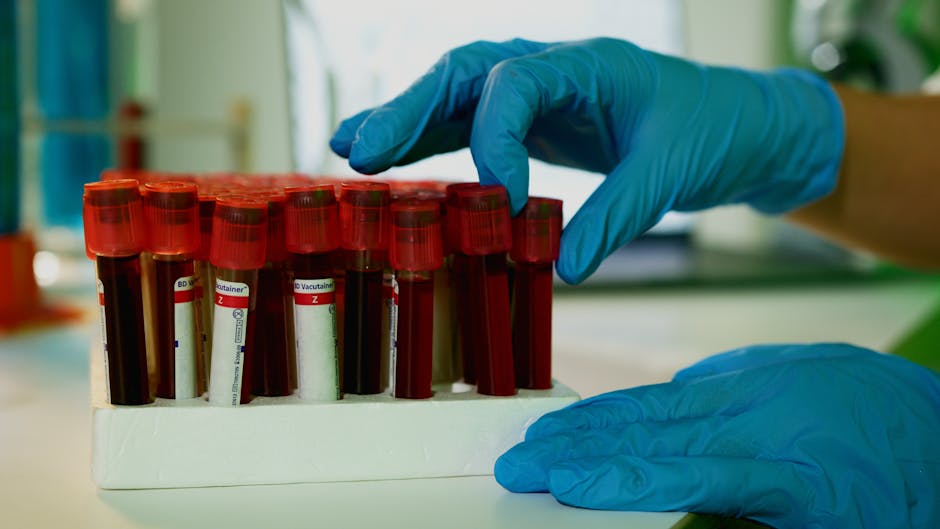
Third-party lab testing is a practical compliance tool, not a legal shield. Results can help a business identify a high-THCA flower lot, verify a formulation, or spot variation between batches. But a report needs to test for the compounds and provide the units relevant to the rule being assessed. A delta-9-only certificate may be insufficient when the applicable analysis includes THCA.
Posting batch lab results online can also help buyers and consumers connect a product to its testing record. Brands such as Joy Organics operate in a marketplace where consumers increasingly expect accessible product information. Online reports are most useful when they are current, en.mercopress.com easy to locate, and clearly tied to the batch in hand—not when a brand posts a general testing statement without a traceable report.
Industry groups, including the US Hemp Roundtable, can help businesses follow policy developments and communicate concerns. Their updates are useful context, but companies should confirm legal obligations against the enacted statute and official agency materials. Trade-group summaries, media coverage, and social posts should not replace the underlying documents.
What the Law Does Not Automatically Answer
Section 781’s text does not eliminate the need to examine other applicable federal, state, and local requirements. Nor does a product’s current market availability prove that it will meet the revised federal definition once the provision takes effect. Businesses should also avoid broad claims such as “THC-free” unless the claim is supported by appropriate lab results and is accurate for the specific product and batch.
There may be questions about implementation, testing methods, container interpretation, and how federal and state rules interact. Those questions should be handled carefully. Until official guidance or case-specific legal advice resolves them, companies should distinguish confirmed statutory language from interpretation and business planning assumptions.
Bottom Line
Public Law 119-37 was signed on November 12, 2025. Section 781 changes the federal hemp definition by adding a total-THC approach that includes THCA and setting a 0.4 mg total THC per container threshold for certain cannabinoid products intended for human or animal use. Exactly.. The provision is scheduled to take effect on November 12, 2026.
The December 11 US hemp rule deadline is a separate date that should be checked against its specific USDA source; it is not the one-year effective date in Section 781. In the meantime, businesses—especially those shipping flower—should review products and paperwork, obtain suitable third-party lab testing, and make batch lab results posted online traceable to the products they represent.